
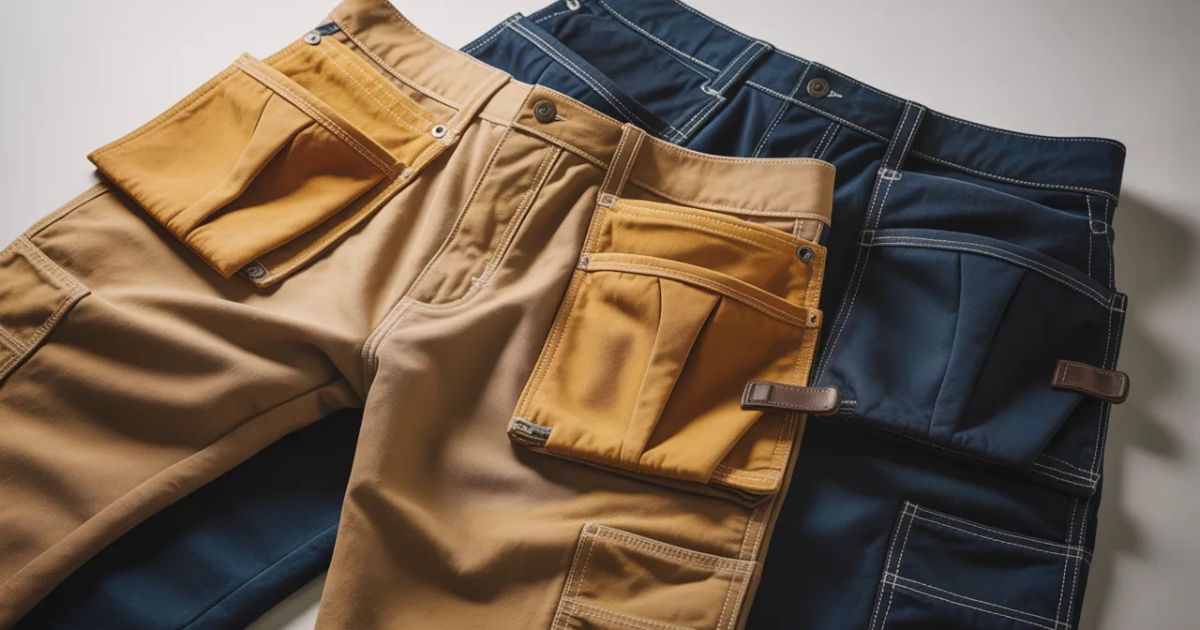
In contemporary fashion what are carpenter pants, few garments bridge the gap between functionality and everyday style as seamlessly as carpenter pants. Originally designed for manual laborers and craftsmen, these pants have evolved from a purely utilitarian workwear item into a staple of casual and streetwear fashion. With their durable fabric, relaxed fit, and distinctive design features such as tool loops and extra pockets, carpenter pants embody both practicality and a rugged, effortless aesthetic.
This article explores what carpenter pants are, their origins, design details, cultural evolution, and how they’ve become a fashionable wardrobe essential for both men and women today.
What Are Carpenter Pants?
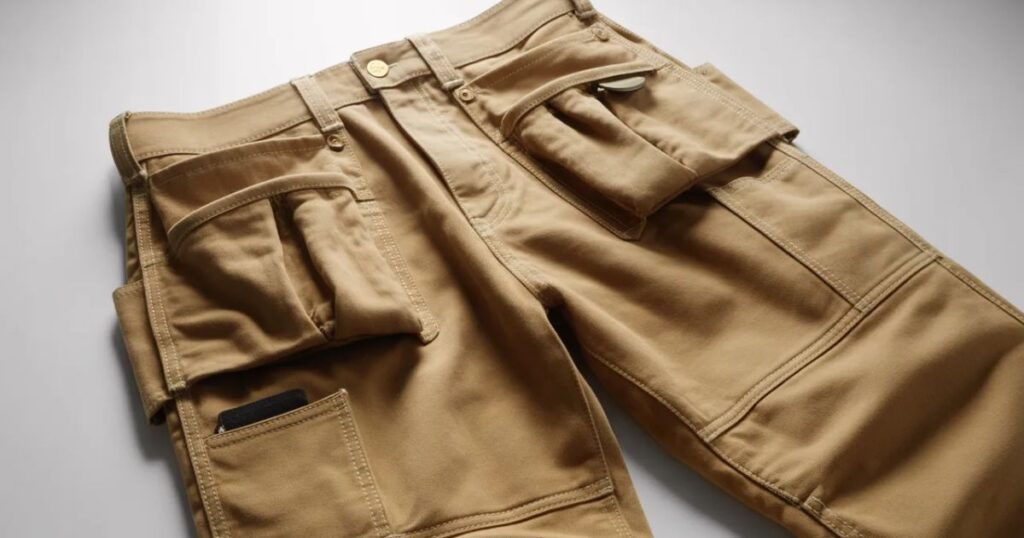
Carpenter pants are a style of durable work trousers traditionally worn by carpenters, builders, and tradespeople who needed both comfort and functionality while working. Their defining characteristics include reinforced stitching, multiple pockets, and a hammer loop a small strap usually located on one side of the leg used for carrying tools.
Unlike standard jeans or chinos, carpenter pants are designed to provide ease of movement and durability. They typically feature a loose or straight-leg fit, which allows flexibility for physical activity. Made from sturdy materials like denim, canvas, or duck cloth, these pants are built to withstand wear and tear while maintaining comfort throughout long workdays.
While their original purpose was purely practical, carpenter pants have since found a second life in modern fashion embraced by designers, stylists, and streetwear enthusiasts for their distinctive, utility-inspired look.
Historical Origins of Carpenter Pants
The roots of carpenter pants can be traced back to the early 20th century when workwear brands began designing garments specifically for manual laborers. Companies like Carhartt, Dickies, and Lee played key roles in developing heavy-duty clothing that catered to workers in carpentry, construction, and manufacturing.
During this period, functionality was paramount. Traditional trousers lacked the durability and pocket space required for carrying tools, nails, and other materials. Carpenter pants solved this problem with reinforced knees, extra pockets, and the now-iconic hammer loop. These innovations quickly made them a preferred choice for tradesmen.
By the mid-20th century, carpenter pants had become a standard item in workwear catalogs across the United States, representing reliability, craftsmanship, and the hardworking spirit of blue-collar professions.
Key Features of Carpenter Pants
The enduring appeal of carpenter pants lies in their combination of form and function. While variations exist, certain design details remain consistent across styles:
1. Hammer Loop:
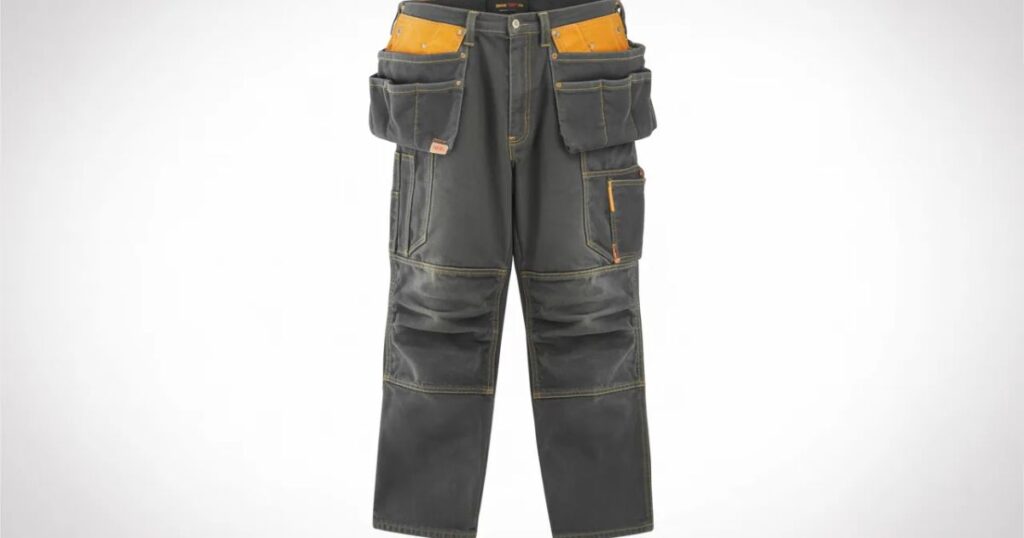
One of the most recognizable features, the hammer loop is located on the side of one leg and originally designed to hold a hammer securely. Although many modern wearers may not use it for tools, it remains a distinctive element that adds to the pants’ utilitarian aesthetic.
2. Reinforced Fabric:
Durability is central to carpenter pants. They are typically made from heavyweight cotton duck canvas or denim, fabrics that resist tearing and abrasion. Reinforced stitching at stress points ensures longevity, even under tough conditions.
3. Multiple Pockets:
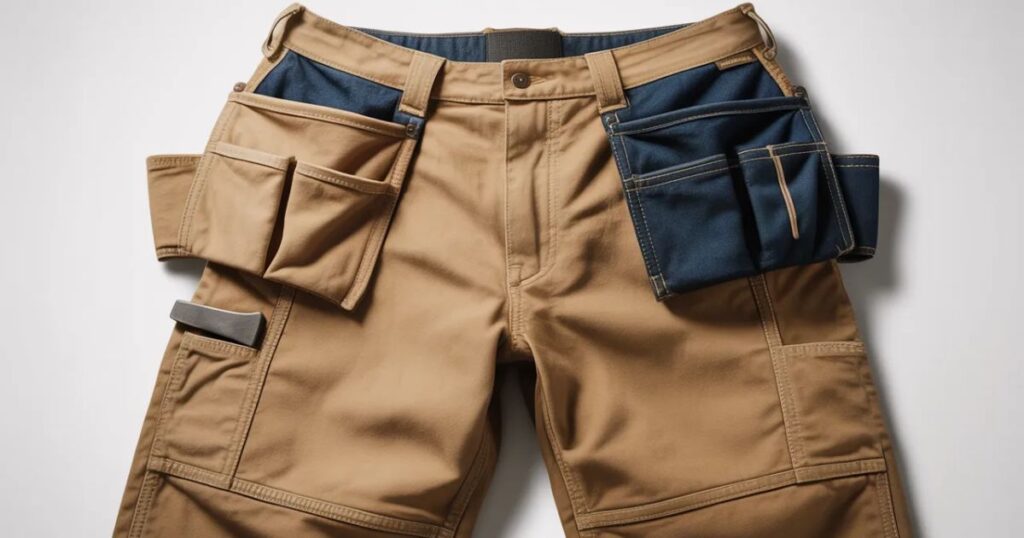
Carpenter pants often feature extra-deep front and back pockets, as well as side utility pockets designed to hold small tools or accessories. This makes them not only practical for work but also convenient for everyday wear.
4. Loose, Straight Fit:
Unlike skinny or tapered pants, carpenter pants are designed with a relaxed or straight-leg cut. This provides greater mobility and comfort, especially for active or outdoor use. The silhouette has also become a hallmark of contemporary street style.
5. Versatile Color Options:
Traditional carpenter pants were usually neutral think khaki, navy, or dark brown but modern interpretations now come in a wide range of colors, from classic denim blue to black, olive, and off-white, catering to different fashion preferences.
The Transition from Workwear to Fashion
The transition of carpenter pants from workwear to streetwear is a fascinating evolution that mirrors the broader fashion industry’s appreciation for utility-inspired design.
In the 1990s, carpenter pants gained popularity beyond the workplace, thanks in large part to the rise of skate culture and hip-hop fashion. The relaxed fit and durable construction made them ideal for skateboarding, while their workwear roots appealed to the authenticity prized in street style. Brands like Dickies and Carhartt became cultural symbols, representing toughness and individuality.
By the 2000s and 2010s, fashion designers began reimagining carpenter pants with contemporary tailoring, premium fabrics, and minimalist aesthetics. Today, they appear in both high fashion collections and everyday wardrobes, blending utility with sophistication. The same features that once served carpenters now appeal to those who value comfort, practicality, and a laid-back yet polished look.
Styling Carpenter Pants: From Utility to Everyday Wear
One of the main reasons carpenter pants have endured is their styling versatility. They can be dressed up or down depending on the occasion, making them a valuable addition to any modern wardrobe.
1. Casual Streetwear Look:
Pair carpenter pants with a graphic T-shirt, oversized hoodie, or flannel shirt for a relaxed, street-inspired outfit. Finish the look with sneakers or boots for a balanced mix of comfort and edge.
2. Workwear-Inspired Ensemble:
Stay true to the pants’ origins by wearing them with a sturdy denim jacket, canvas vest, or work boots. This look embodies the rugged authenticity of traditional American workwear.
3. Elevated Urban Style:
For a more refined take, choose slimmer-fitting carpenter pants in neutral tones and pair them with a turtleneck, leather jacket, or tailored coat. Add loafers or minimalist sneakers for an understated yet fashionable aesthetic.
4. Women’s Styling:
Women’s fashion has embraced carpenter pants for their blend of practicality and relaxed style. They can be paired with crop tops, fitted blazers, or chunky knit sweaters for a chic, balanced silhouette. Heeled boots or platform sneakers can elevate the outfit while maintaining comfort.
Fabrics and Modern Adaptations
While traditional carpenter pants were made from stiff, heavyweight fabrics, modern versions often incorporate stretch blends for added flexibility and comfort. Designers experiment with lighter materials, such as cotton twill, corduroy, and organic denim, allowing the pants to be worn year-round.
Many contemporary carpenter pants also adopt sustainable manufacturing practices, aligning with the growing demand for eco-conscious fashion. Brands now focus on organic cotton, recycled fibers, and ethical production methods, ensuring that the functional design remains compatible with modern values.
Why Carpenter Pants Remain Popular
Carpenter pants endure because they embody the perfect balance between utility and versatility. They serve multiple purposes practical enough for work, stylish enough for leisure, and comfortable enough for daily wear. Their unisex appeal and adaptability to different styles have made them a mainstay in both men’s and women’s wardrobes.
Moreover, in a time when fashion often leans toward simplicity and authenticity, carpenter pants represent a return to clothing that is both functional and meaningful. They tell a story of craftsmanship, durability, and evolution from the workshop floor to the fashion runway.
Conclusion: Function Meets Fashion
The story of carpenter pants is a testament to how practicality can evolve into timeless style. Once a humble piece of workwear, they have become a fashion icon celebrated for their rugged design and effortless versatility. Whether worn by artisans on the job or by style enthusiasts on city streets, carpenter pants continue to reflect values of strength, comfort, and individuality.
Their enduring popularity proves that true style often begins with purpose. With their combination of utility, durability, and contemporary edge, carpenter pants stand as a perfect example of how fashion can honor its roots while embracing modern expression.